


About me

I am a researcher with a strong background in the field of semiconductor detector technologies. My main expertise lies in validation, testing, and design of different aspects of silicon pixel detectors, including software development and analysis. While the studied devices are mainly intended for future use at experiments in the high-energy physics, I try to bridge the technologies for possible multidisciplinary overlaps.

Learn more

Publications

Explore my work through publications that capture the evolution of my research and contributions to the field. Each publication represents a step forward, reflecting the dedication and curiosity that drive my pursuit of knowledge. Through diverse topics and findings, these works offer insights into the challenges I have addressed, the methodologies developed, and the discoveries made along the way. I invite you to explore them as a testament to my commitment to advancing science and making a meaningful impact.

Conferences, workshops and tutorials

Discover my active engagement in the scientific community through various conferences, workshops, and tutorials I have participated in and organized. Each event represents an opportunity to exchange ideas, foster collaboration, and contribute to the growth of our field. Whether presenting research, organizing sessions, or guiding discussions, I am committed to facilitating knowledge-sharing and inspiring others in our shared pursuit of discovery.

Projects

My research is supported by a variety of funding sources and collaborative projects aimed at advancing scientific and technological innovation. Through these grants and partnerships, we address critical challenges and push the boundaries of knowledge in our field. Each project is designed to explore new ideas, develop cutting-edge solutions, and make a tangible impact across industries. This support enables us to foster collaborations, drive progress, and contribute meaningfully to both academic and practical advancements.

Learn more

Research Highlights

Welcome to my research highlights! Here, I showcase recent advancements, notable projects, and key findings that drive my work forward. Explore my latest achievements and ongoing efforts to advance knowledge and inspire future discovery.

4H-SiC sensor development

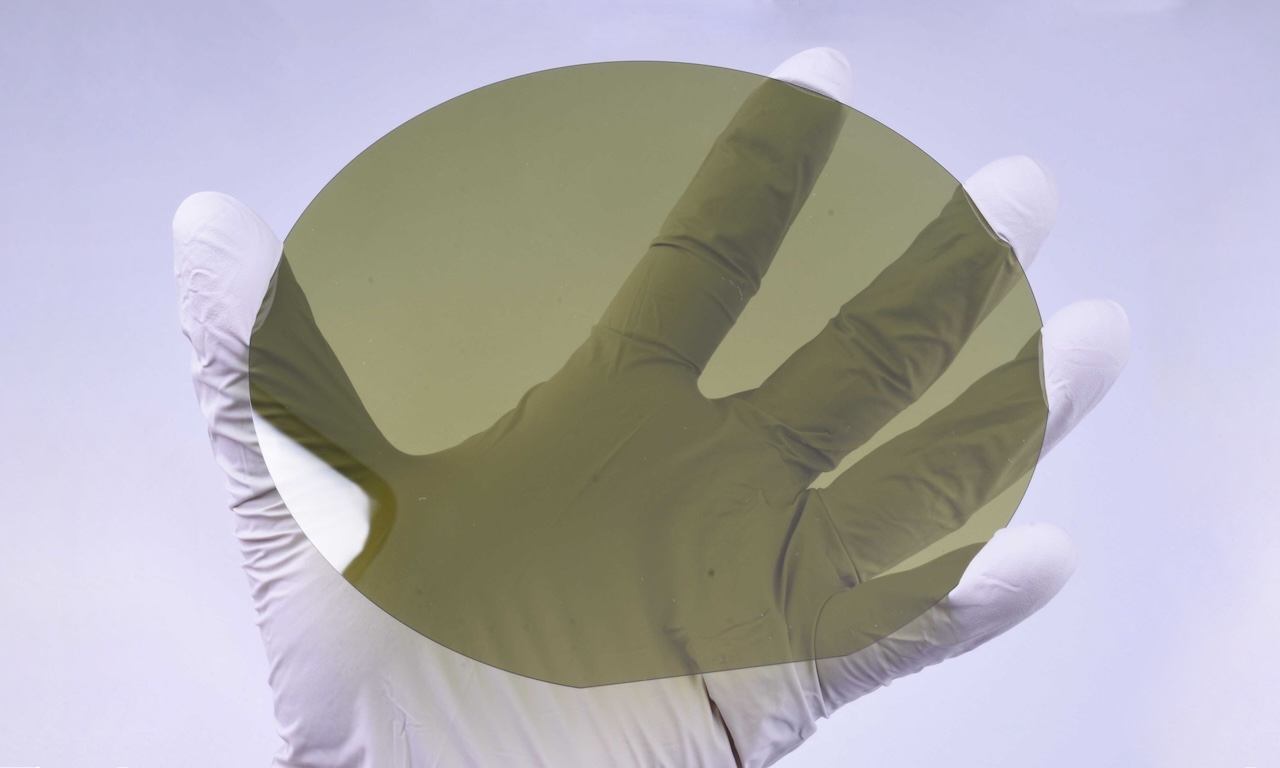
Re-emerging as a strong candidate for the next-generation semiconductor detectors, 4H-SiC promises excellent performance due to its inherent advantages, including high radiation tolerance and the ability to operate across a broad temperature range without significant annealing effects.
Single-die hybridisation

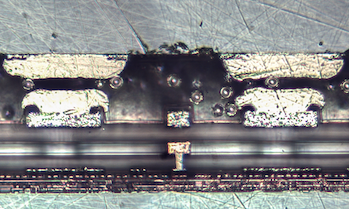
The use of Anisotropic Conductive Adhesives (ACA) for cost-effective in-house pixel-detector hybridisation is studied as an alternative to standard bump-bonding processes. The ACA technology is adapted from industry, where it is commonly used for LCDs with single rows of connections. Both, film-based (ACF) and paste-based (ACP) adhesives with embedded conductive micro-particles were extensively studied.

Tpx3Cam

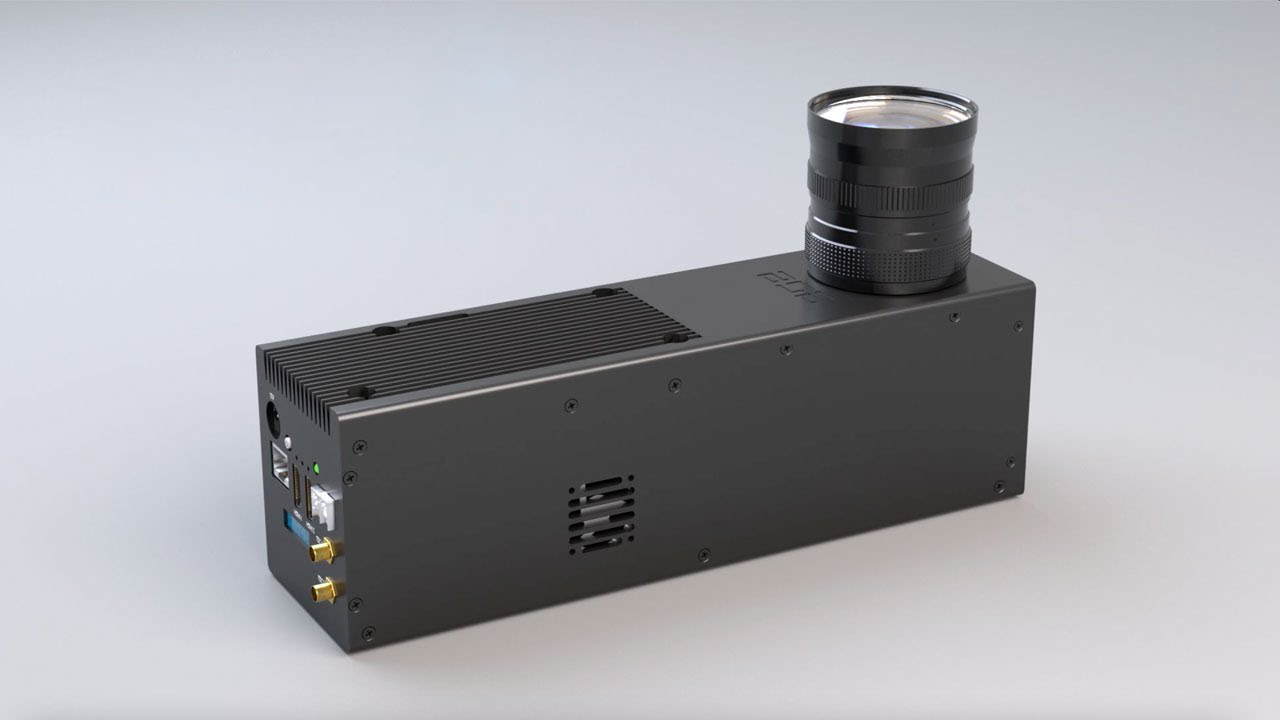
The Tpx3Cam features a silicon optical sensor with high quantum efficiency, bump-bonded to the Timepix3 readout ASIC, which has 256×256 pixels, each measuring 55×55 μm². Each pixel’s electronics processes incoming signals to measure the time of arrival (TOA) for hits that exceed a threshold of about 600 electrons, with a precision of 1.56 ns. Alongside TOA, the time-over-threshold (TOT), which correlates to the energy deposited in each pixel, is recorded as time codes. The Timepix3’s data-driven readout operates with a minimal pixel deadtime and a high data bandwidth of 80 Mpix/sec.

VELO Upgrade for LHCb

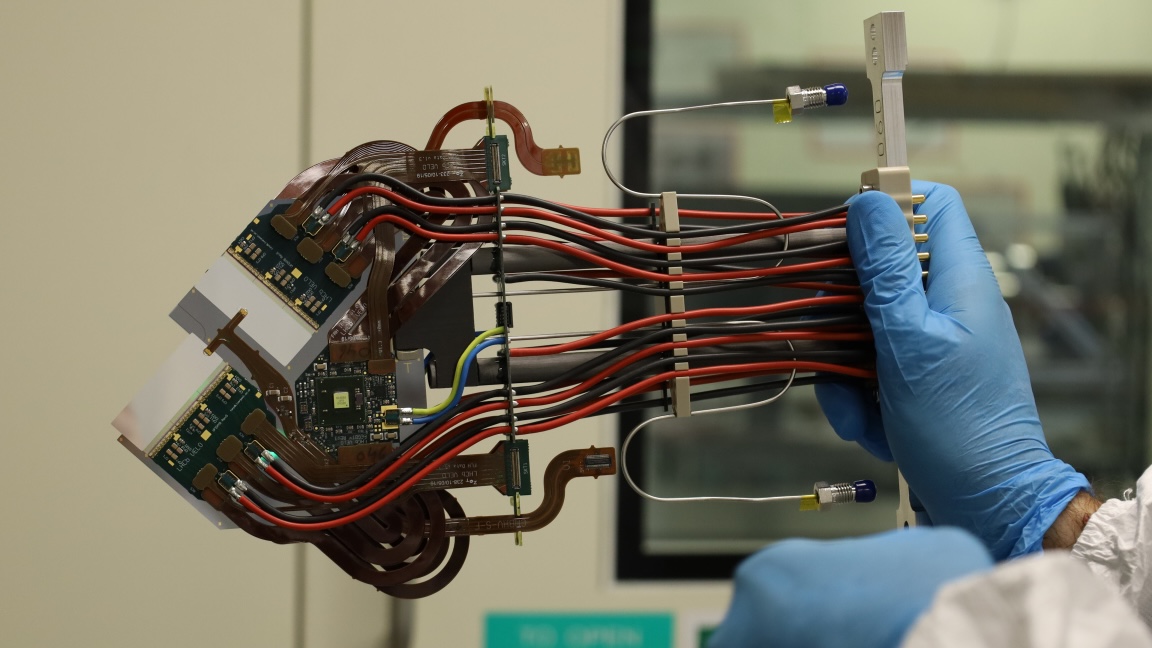
The LHCb detector has undergone a major upgrade for LHC Run 3. This Upgrade I detector facilitates operation at higher luminosity and utilises full-detector information at the LHC collision rate, critically including the use of vertex information. A new vertex locator system, the VELO Upgrade, has been constructed. The core element of the new VELO are the double-sided pixelated hybrid silicondetector modules which operate in vacuum close to the LHC beam in a high radiation environment.